

Project Partners
About
Explosive remnants of war (ERW) present a significant issue for Cambodia and other low-income countries. In response to this problem, the field of humanitarian ERW remediation seeks to detect, dispose, and even recycle ERW with the goal of rendering the ERW-contaminated land safe. Thus, these activities are of critical importance to the growth of affected nations and safety of their people. This international research experiences for students (IRES) program is focused on using mechatronics - a field which integrates mechanical engineering, electrical engineering, control systems engineering, and computer science - to develop solutions for the humanitarian ERW remediation community. This program, run from Villanova University (VU), will send 6 students - at least 2 of which will be graduate students - to do research in Cambodia, one of the most ERW contaminated countries in the world. These students will undertake a 10 week long summer program, including 7.5 weeks in-country. While in Cambodia, the students will collaborate with researchers affiliated with the Institute of Technology of Cambodia (ITC) - the premiere technical university in Cambodia - and the Golden West Humanitarian Foundation (GWHF) - one of the world leaders in humanitarian ERW remediation research and development. In addition to the main research goal of finding mechatronic solutions to problems in the humanitarian ERW remediation community, the program will also serve to 1) strengthen an existing VU-GWHF collaboration, 2) develop globally-engaged engineering researchers and 3) introduce future leaders in engineering research to humanitarian engineering issues.
The proposed research program will focus on difficult, real-world problems in the area of humanitarian ERW remediation. Projects will be jointly agreed upon by the researchers at VU, ITC, and GWHF. Potential projects include robotic non-technical and/or technical survey for area reduction, automated visual inspection of ordinance, and communications for explosive ordnance disposal (EOD). In general, the fundamental research in this project has the potential to impact mechatronics in a number of ways, including advancements to novel robotics platforms, advanced control and search algorithms, new sensors and sensing strategies, swarm robotics algorithms, and communications.
2018 Student Team
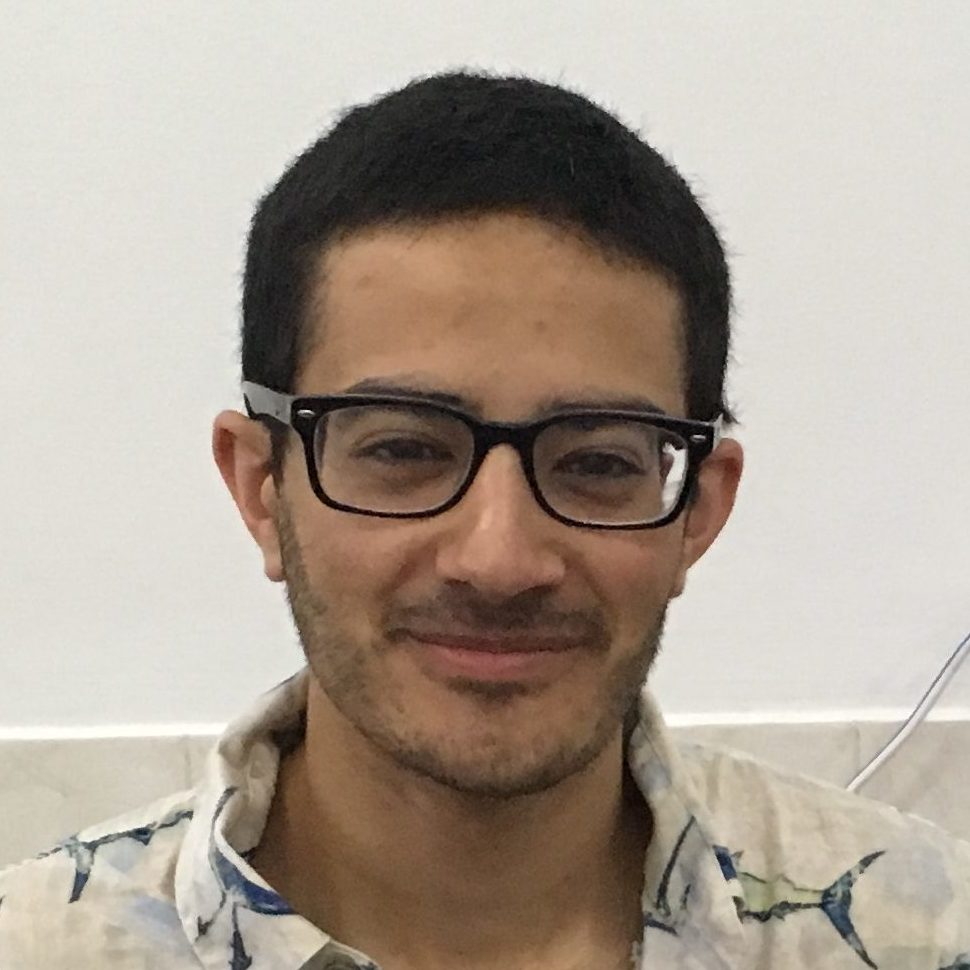
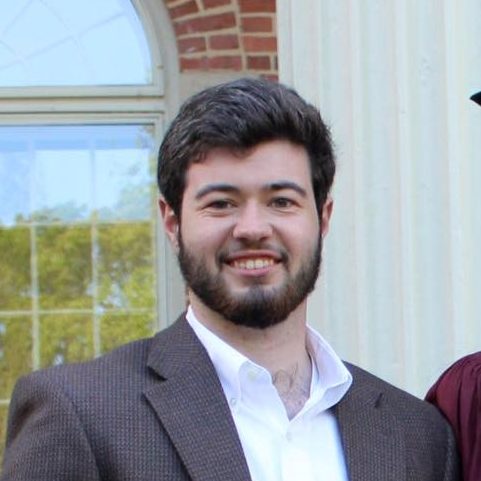
These 10 engineers are currently working in Cambodia on projects in Humanitarian Robotics and Mechatronics and on STEM education.
Latest Posts
Program participants will be posting periodically. Read about their experience here.
Hello everyone! My name is Henri Doucet, I recently finished my first year at Villanova University majoring in Mechanical Engineering…
Read more Henri Doucet: My Introduction to the Kingdom of Cambodia
Ariana Lissak
Hi, My name is Ariana Lissak. I am currently an Undergraduate at Rensselaer Polytechnic Institute (RPI) where I am majoring…
Read more Ariana Lissak
Excited for a Phnom-enal Summer
Hi folks! I graduated this spring with a bachelors Mechanical Engineering from the University of Maryland. In the fall, I’ll…
Read more Excited for a Phnom-enal Summer
Contact Program Organizers
Have a question about IRES Cambodia? Contact project organizers below.
Address:
800 Lancaster Ave
Villanova, PA 19085, USA
Info:
E-mail: garrett.clayton@villanova.edu
Phone: (610) 519 4798


